Understanding Water Hardness: A Guide to Water Hardness Test Reagent
Water hardness is a critical parameter in numerous applications, from ensuring optimal performance of industrial equipment to maintaining the quality of potable water. Excessively hard water can lead to scale buildup, reduced efficiency of appliances, and even health concerns. Accurate measurement of water hardness is therefore essential. This article delves into the importance of water hardness test reagent, its applications, methods of use, and choosing the right reagent for your needs. Understanding these aspects is key to effectively managing water quality and preventing costly issues.
What is Water Hardness and Why Measure It?
Water hardness is primarily caused by the presence of dissolved minerals, specifically calcium (Ca2+) and magnesium (Mg2+) ions. The higher the concentration of these ions, the harder the water. Measuring water hardness is crucial for a variety of reasons. In industrial settings, hard water leads to scale formation in boilers and pipelines, reducing heat transfer efficiency and increasing energy costs. In households, it can cause soap scum, spotty dishes, and damage to plumbing fixtures. For drinking water, while not generally a health hazard, hard water can affect the taste and require more soap for cleaning. Regular testing with a reliable water hardness test reagent allows for timely intervention and prevention of these problems.
Key Benefits of Regular Testing: Preventing scale buildup, extending appliance lifespan, improving cleaning efficiency, ensuring optimal water quality.
Types of Water Hardness and Measurement Units
Water hardness is typically expressed in several different units, which can sometimes cause confusion. Common units include: parts per million (ppm), milligrams per liter (mg/L), grains per gallon (gpg), and degrees of hardness (°dH). Each unit represents a different way of quantifying the concentration of calcium and magnesium ions. Understanding these conversions is important when interpreting test results. For example, 1 gpg is approximately equal to 17.1 ppm. Using a calibrated water hardness test reagent ensures accurate results, regardless of the unit used.
Unit Conversion Table:
• 1 ppm = 1 mg/L
• 1 gpg = 17.1 ppm
• 1 °dH = 17.8 ppm
Choosing the Right Water Hardness Test Reagent
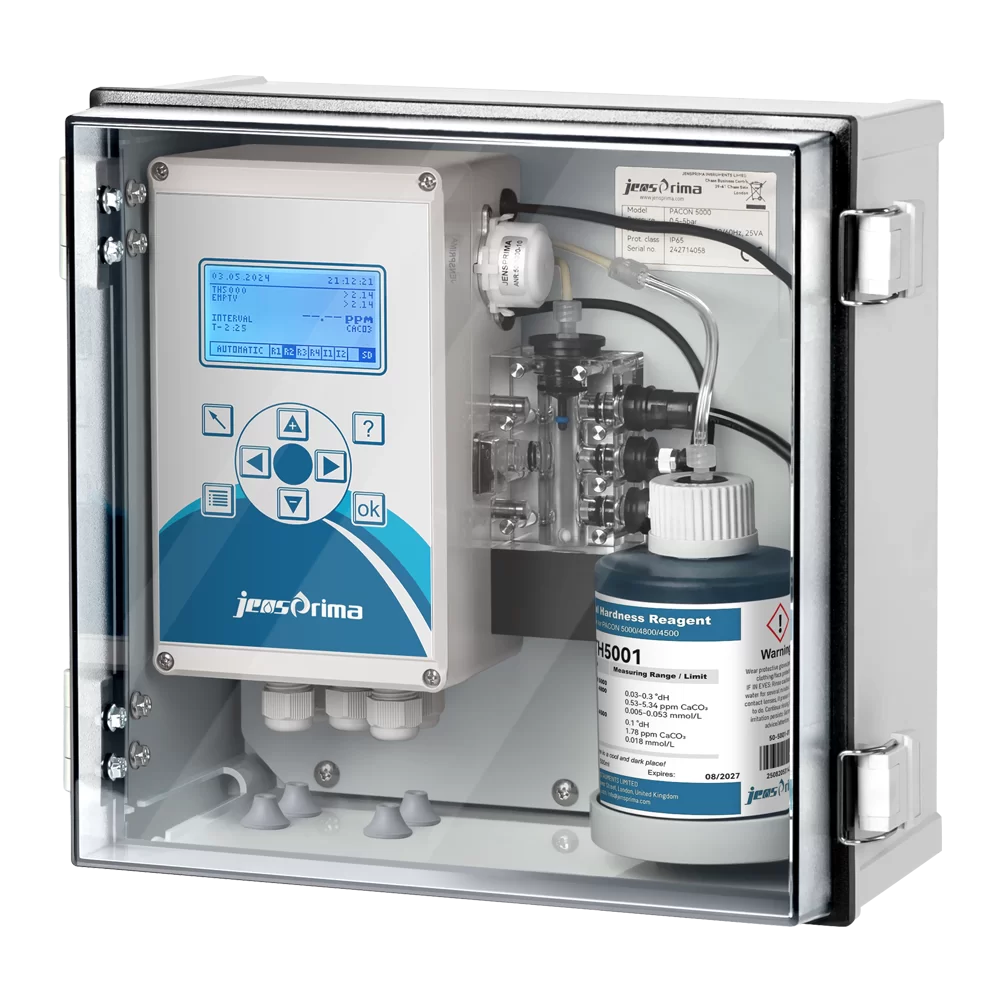
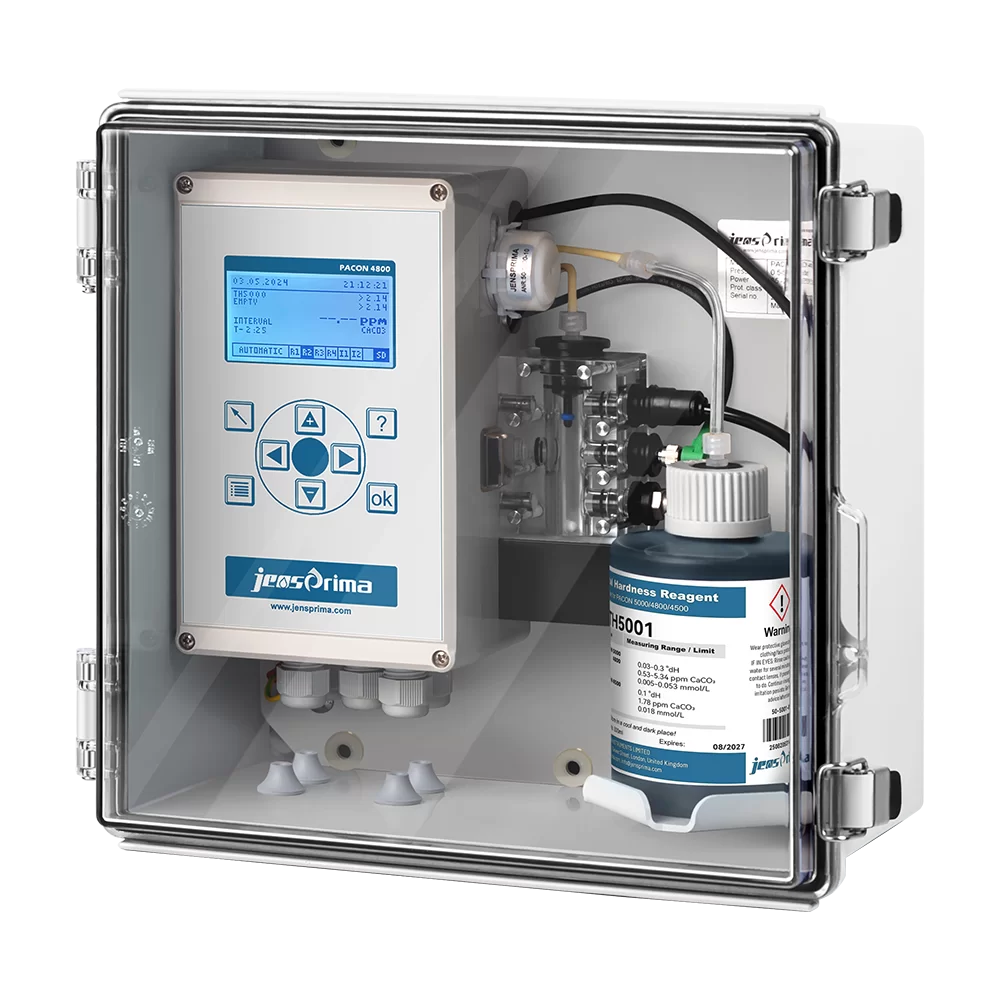
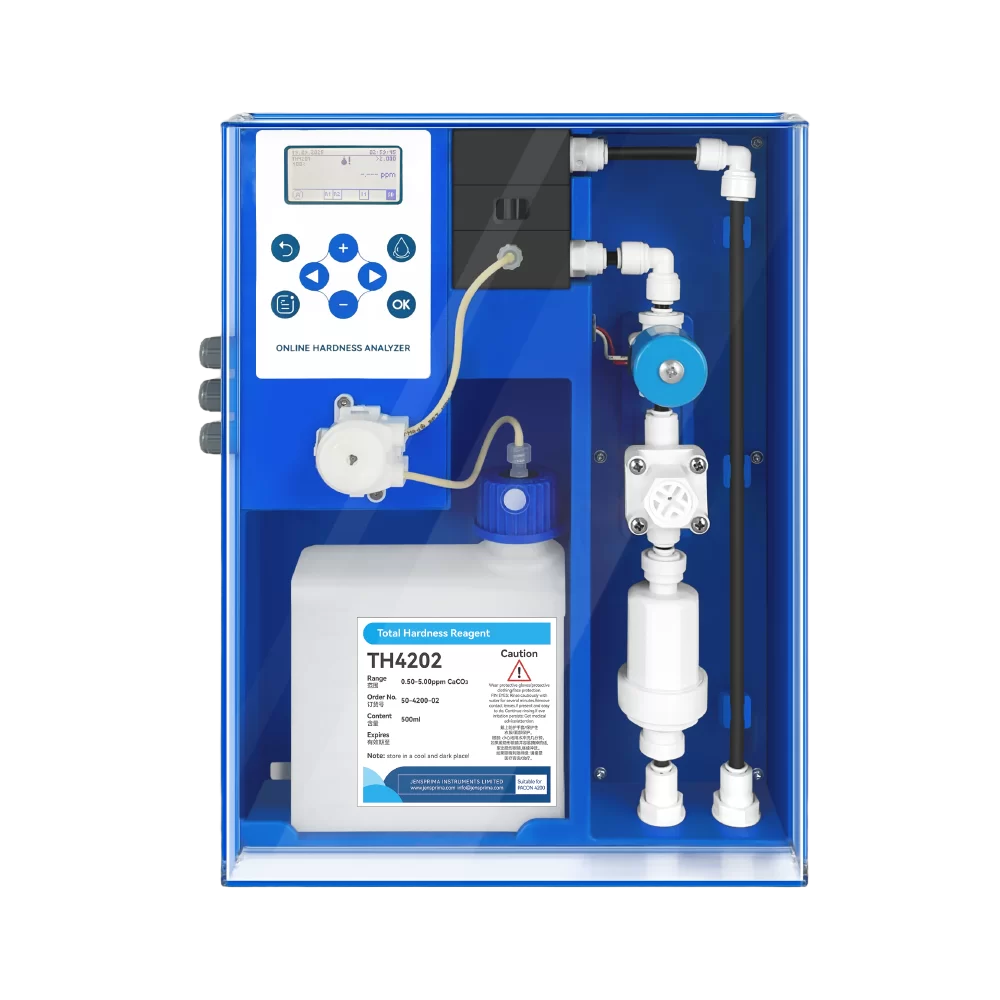
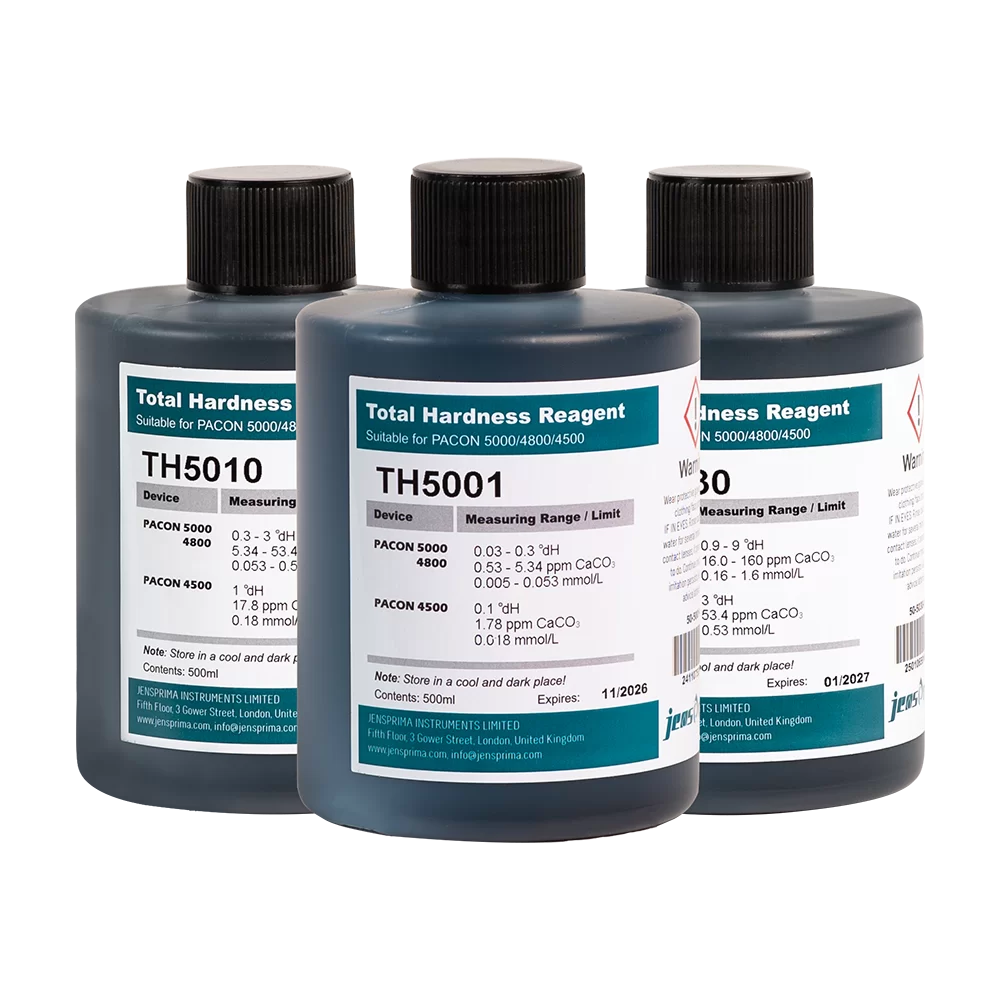
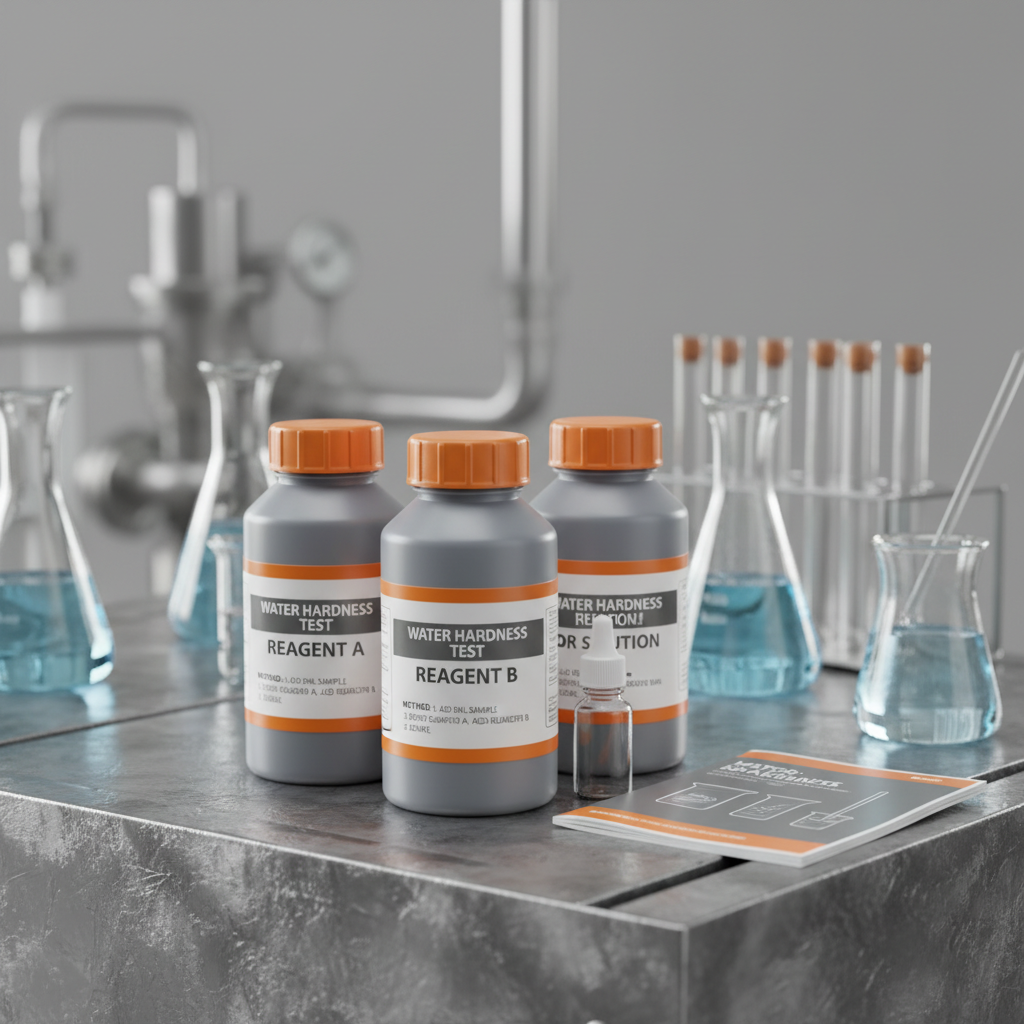
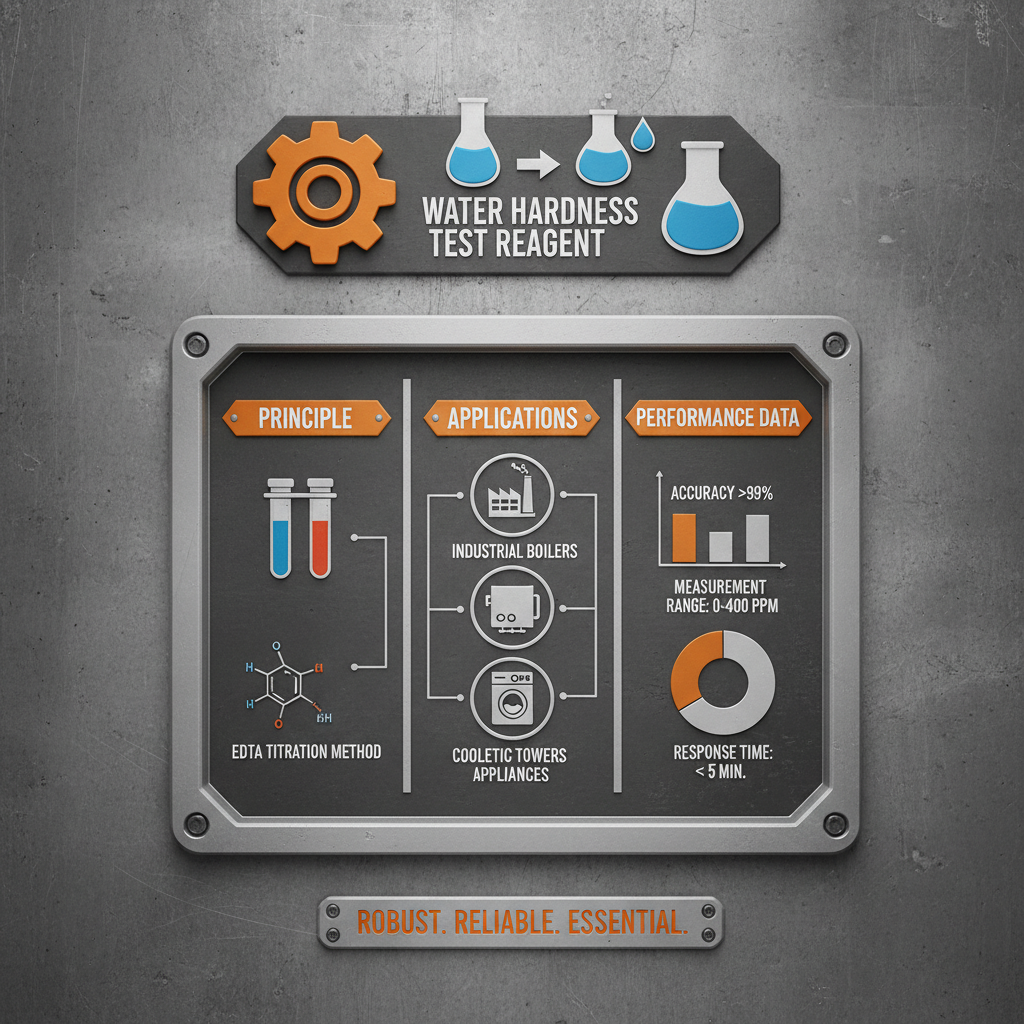
Selecting the appropriate water hardness test reagent depends on factors such as the required accuracy, the expected hardness range, and the testing environment. Titration-based reagents, utilizing EDTA, are commonly used for accurate determination of total hardness. Test strips offer a quick and convenient, though less precise, method. Photometric methods, employing a spectrophotometer, provide high accuracy and are suitable for laboratory analysis. Jensprima offers a comprehensive range of reagents to meet diverse testing needs.
| Method |
Accuracy |
Cost |
Ease of Use |
| Titration (EDTA) |
High |
Moderate |
Requires training |
| Test Strips |
Low-Moderate |
Low |
Very Easy |
| Photometry |
Very High |
High |
Moderate |
Proper Usage of Water Hardness Test Reagent
Accurate results depend on following the manufacturer's instructions carefully. For titration methods, precise measurement of the water sample and reagent is crucial. Ensure the glassware is clean and calibrated. For test strips, immerse the strip for the recommended duration and compare the color change to the provided chart. With photometric methods, follow the instrument’s operating manual for proper sample preparation and measurement procedures. Always store water hardness test reagent according to the manufacturer’s recommendations to maintain its stability and accuracy.
Applications Across Industries
The need for accurate water hardness testing spans numerous industries. Power plants utilize it to monitor boiler water quality and prevent scaling. The food and beverage industry ensures water meets quality standards for product consistency. Agricultural applications require monitoring irrigation water to optimize crop yields. Furthermore, municipal water treatment plants rely on hardness testing to optimize water softening processes. Jensprima provides solutions tailored to these diverse applications.
Conclusion: Ensuring Water Quality with Reliable Testing
Investing in high-quality water hardness test reagent is a crucial step in maintaining optimal water quality and preventing costly problems. Whether you're a professional in a laboratory setting or a homeowner concerned about your water supply, accurate testing is essential. Choose Jensprima for reliable results and expert support.
Frequently Asked Questions (FAQs)
What is considered 'hard' water?
The classification of water hardness varies, but generally: 0-60 ppm is considered soft, 61-120 ppm is moderately hard, 121-200 ppm is hard, and over 200 ppm is very hard. These ranges can differ slightly depending on the units used (ppm, gpg, etc.). Hard water can cause issues with soap lathering, scale buildup in pipes, and reduced appliance efficiency. Regularly testing with a reliable water hardness test reagent helps monitor these levels and take appropriate action.
How often should I test my water hardness?
The frequency of testing depends on your water source and usage. If you rely on well water, it’s recommended to test at least annually, as hardness can fluctuate due to changes in groundwater levels. For municipal water, testing every 2-3 years is generally sufficient. If you notice signs of hard water, such as scale buildup or reduced soap lathering, test more frequently.
Can I treat hard water myself?
Yes, there are several ways to treat hard water. Water softeners, which use ion exchange to remove calcium and magnesium ions, are a common solution for whole-house treatment. Alternatively, you can use chelating agents or polyphosphates to prevent scale buildup in specific appliances. Determining the hardness level with a water hardness test reagent is the first step in choosing the appropriate treatment method.
What is the difference between temporary and permanent hardness?
Temporary hardness is caused by calcium bicarbonate and magnesium bicarbonate, which can be removed by boiling. Permanent hardness is caused by calcium and magnesium sulfates, chlorides, and nitrates, which cannot be removed by boiling. A comprehensive water hardness test with water hardness test reagent can determine the levels of both temporary and permanent hardness, helping you select the most effective water treatment solution.


 Download
 Video Center
 Technical Services
 FAQS
FAQS Service Network
 Privacy Policy
 Contact Us




 LEARN MORE
![[Hardness] Water Hardness Unit Conversion Table](https://images.cnmqh.com/images/a10056/1-20251023015852.webp "[Hardness] Water Hardness Unit Conversion Table")